
Cubic Yard Calculator
Relatd Caculators:
Cubic Yard Calculator: The Complete Guide to Calculating Cubic Yards for Any Project
Whether you’re ordering fill dirt for a raised bed, gravel for a driveway, or mulch for your garden, one number determines how much material you need: cubic yards. Get it right and your project runs smoothly. Get it wrong and you’re either paying for a second delivery or hauling excess material away.
This guide explains exactly what a cubic yard is, how to calculate it, and how much material you actually need — with handy reference tables you can bookmark.
What Is a Cubic Yard?
A cubic yard is a unit of volume equal to a cube that measures 3 feet long, 3 feet wide, and 3 feet tall. Since each side is 3 feet, the total volume works out to 3 × 3 × 3 = 27 cubic feet.
Think of it as a box roughly the size of a large front-load washing machine. It’s the standard unit used by landscapers, contractors, and suppliers when ordering bulk materials like:
- Topsoil and fill dirt
- Gravel and crushed stone
- Mulch and bark
- Sand
- Concrete
When a supplier asks “how many yards do you need?” they mean cubic yards — not linear yards or square yards.
Is a Cubic Yard 3 ft by 3 ft?
Yes, a cubic yard is exactly 3 feet × 3 feet × 3 feet. That makes it 27 cubic feet total. To picture it: stand in a doorway. A standard door is about 3 feet wide and 7 feet tall. A cubic yard would fill that doorway to a depth of about 3 feet — roughly knee to waist height on most adults.
The Cubic Yard Formula
The formula for calculating cubic yards is straightforward:
Cubic Yards = (Length × Width × Depth) ÷ 27
All three measurements must be in feet before you divide by 27. If your depth is in inches (which is common for shallow layers of mulch or gravel), convert it first by dividing by 12.

Step-by-Step: How to Calculate Cubic Yards
Step 1 — Measure your area Measure the length and width of the space you want to fill. Use feet as your unit.
Step 2 — Decide on your depth How deep does your material need to go? For mulch, 2–3 inches is typical. For fill dirt grading, you might need 6–12 inches. Write down the depth in inches, then divide by 12 to convert to feet.
Example: A depth of 4 inches ÷ 12 = 0.333 feet
Step 3 — Multiply length × width × depth This gives you cubic feet.
Example: 20 ft × 15 ft × 0.333 ft = 100 cubic feet
Step 4 — Divide by 27 Convert cubic feet to cubic yards.
Example: 100 ÷ 27 = 3.70 cubic yards
Step 5 — Add 10% for waste For most projects, ordering about 10% extra accounts for settling, spillage, and uneven ground.
Example: 3.70 × 1.10 = 4.07 cubic yards — round up to 4.5 or 5
Quick Reference Formula Summary
- Cubic feet: Length (ft) × Width (ft) × Depth (ft)
- Cubic yards: Cubic feet ÷ 27
- Shortcut from inches depth: Length × Width × Depth (in) ÷ 324
How Much Area Does 1 Cubic Yard Cover?
This is the most common question people have before ordering bulk material. The answer depends entirely on how deep you spread the material.
Coverage per 1 Cubic Yard (by Depth)
| Depth | Coverage Area |
|---|---|
| 1 inch | 324 square feet |
| 2 inches | 162 square feet |
| 3 inches | 108 square feet |
| 4 inches | 81 square feet |
| 6 inches | 54 square feet |
| 12 inches | 27 square feet |
How to read this table: If you’re spreading mulch at 3 inches deep, one cubic yard will cover 108 square feet — roughly a 10 ft × 10 ft garden bed with a little room to spare.
The formula behind it: Coverage (sq ft) = 324 ÷ Depth (inches)
Square Feet to Cubic Yards: Quick Lookup Table
If you already know your square footage, use this table to find how many cubic yards you need at common depths.
Square Feet to Cubic Yards Given Depth
| Area (sq ft) | 2 inches deep | 3 inches deep | 4 inches deep | 6 inches deep |
|---|---|---|---|---|
| 100 sq ft | 0.62 cu yd | 0.93 cu yd | 1.23 cu yd | 1.85 cu yd |
| 200 sq ft | 1.23 cu yd | 1.85 cu yd | 2.47 cu yd | 3.70 cu yd |
| 300 sq ft | 1.85 cu yd | 2.78 cu yd | 3.70 cu yd | 5.56 cu yd |
| 500 sq ft | 3.09 cu yd | 4.63 cu yd | 6.17 cu yd | 9.26 cu yd |
| 750 sq ft | 4.63 cu yd | 6.94 cu yd | 9.26 cu yd | 13.89 cu yd |
| 1,000 sq ft | 6.17 cu yd | 9.26 cu yd | 12.35 cu yd | 18.52 cu yd |
| 1,500 sq ft | 9.26 cu yd | 13.89 cu yd | 18.52 cu yd | 27.78 cu yd |
| 2,000 sq ft | 12.35 cu yd | 18.52 cu yd | 24.69 cu yd | 37.04 cu yd |
Formula used: Cubic yards = (Square feet × Depth in inches) ÷ 324
How to Calculate Cubic Yards for Different Shapes
Real projects aren’t always a perfect rectangle. Here’s how to handle the most common shapes.
Rectangle or Square
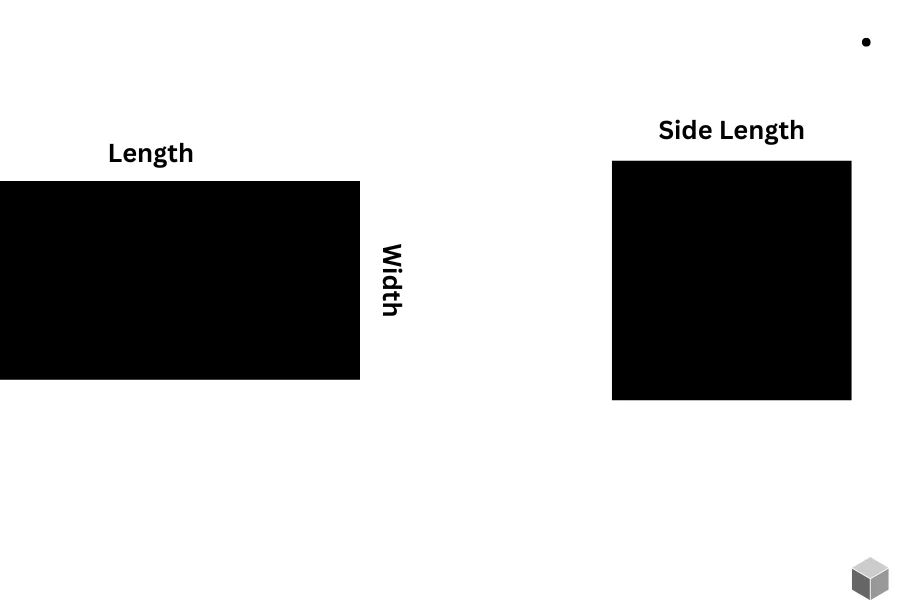
The simplest case. Multiply length × width × depth (in feet), then divide by 27.
Example: A rectangular garden bed 12 ft × 8 ft, filled with topsoil 6 inches (0.5 ft) deep. 12 × 8 × 0.5 = 48 cubic feet ÷ 27 = 1.78 cubic yards
Circle (Round Garden Beds, Tree Rings)
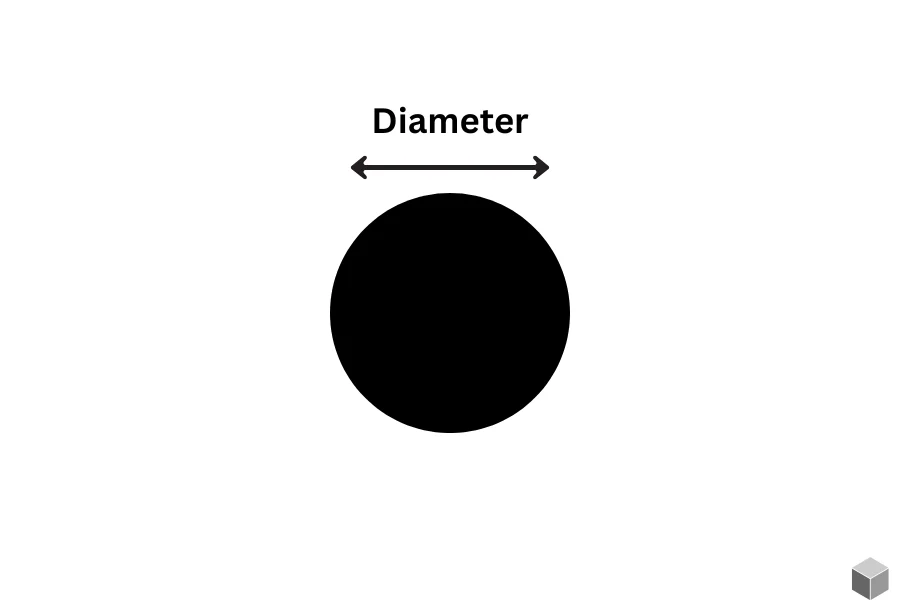
Use the formula: Area = π × radius²
Then multiply by depth and divide by 27.
Example: A circular tree ring with a 5 ft radius, mulched 3 inches (0.25 ft) deep. Area = 3.14 × 5² = 78.5 sq ft 78.5 × 0.25 = 19.6 cubic feet ÷ 27 = 0.73 cubic yards
Triangle
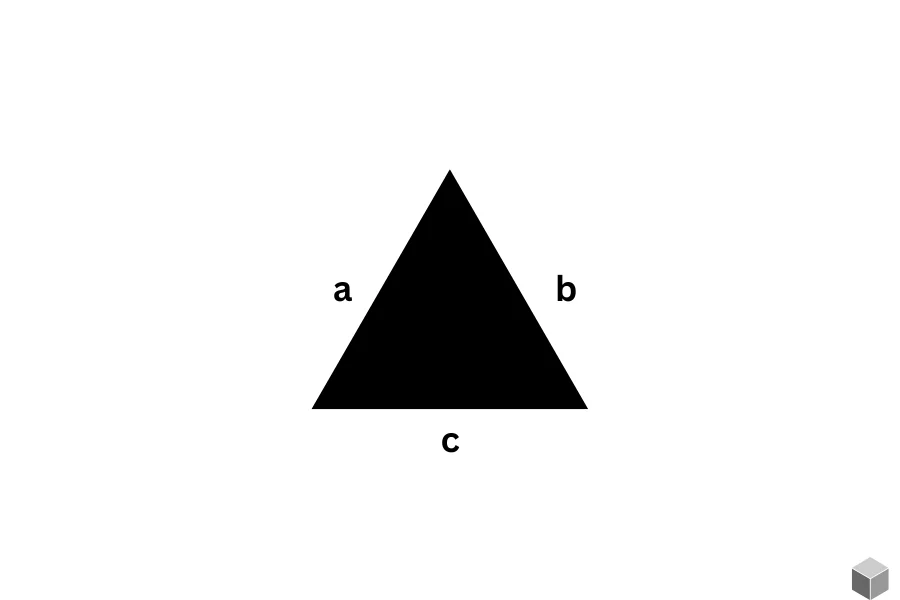
Area = ½ × base × height
Then multiply by depth and divide by 27.
Irregular or L-Shaped Areas
Break the space into two or more rectangles. Calculate cubic yards for each section separately, then add them together. This is the most reliable method for odd-shaped beds or uneven lots.
Recommended Depths by Material and Project Type
Not sure how deep to go? This table covers the most common landscaping and construction uses.
Depth Guide by Project
| Project Type | Recommended Depth | Notes |
|---|---|---|
| Mulch – garden beds | 2–3 inches | Keep mulch 2 inches away from plant stems |
| Mulch – tree rings | 2–3 inches | Leave a mulch-free gap at the trunk base |
| Mulch – pathways | 3–4 inches | Use edging to keep material contained |
| Playground safety mulch | 8–12 inches | Check local safety guidelines for fall zones |
| Topsoil – lawn topdressing | ¼–½ inch | Thin layers prevent smothering existing grass |
| Fill dirt – raised beds | 8–12 inches | Deeper if mixing with native soil below |
| Gravel – garden paths | 3–4 inches | Compact in thin layers for stability |
| Gravel – driveway base | 4–6 inches | Depends on soil type and vehicle load |
| Gravel – under pavers | 4–6 inches | Compact in 2-inch lifts |
| Concrete slab | 4 inches standard | 6 inches for driveways or heavy loads |
How Many Bags Equal One Cubic Yard?
If you’re buying bagged material instead of bulk, here’s how many bags you’ll need per cubic yard.
Bags per Cubic Yard
| Bag Size | Bags Needed per Cubic Yard |
|---|---|
| 0.5 cubic feet | 54 bags |
| 0.75 cubic feet | 36 bags |
| 1.0 cubic feet | 27 bags |
| 1.5 cubic feet | 18 bags |
| 2.0 cubic feet | 14 bags |
| 3.0 cubic feet | 9 bags |
Rule of thumb: Divide 27 by the bag size in cubic feet.
For anything over 3–4 cubic yards, buying in bulk from a landscape supplier is almost always cheaper than buying bags, even after factoring in delivery fees.
How to Calculate Cubic Yards of Dirt, Gravel, or Concrete
The math is the same no matter what material you’re working with — dirt, gravel, mulch, concrete, or sand. The only thing that changes is the recommended depth for each application. Here are the most common use cases worked out:
Calculating Yards of Dirt (Fill Dirt or Topsoil)
If you’re backfilling a trench, leveling a yard, or building up a planting bed, use the standard formula. One cubic yard of dirt weighs roughly 1,000–1,300 lbs depending on moisture content.
Example: Filling a raised garden bed 10 ft × 4 ft to a depth of 12 inches (1 ft): 10 × 4 × 1 = 40 cubic feet ÷ 27 = 1.48 cubic yards — order 2 to be safe.
Calculating Yards of Gravel
Gravel compacts when installed, so always add 10–15% extra to your calculation. This accounts for compaction and material lost during installation.
Example: A 20 ft × 10 ft driveway with a 4-inch (0.33 ft) gravel base: 20 × 10 × 0.33 = 66 cubic feet ÷ 27 = 2.44 cubic yards × 1.15 = 2.8 cubic yards — order 3.
Calculating Concrete Yardage
Concrete is always ordered in cubic yards. Use the same formula, but measure your slab thickness carefully. Concrete suppliers typically add a built-in 5–10% overage to their mix, but it’s still smart to pad your order slightly.
Example: A 10 ft × 12 ft patio slab, 4 inches (0.33 ft) thick: 10 × 12 × 0.33 = 39.6 cubic feet ÷ 27 = 1.47 cubic yards — order 1.6 to allow for spillage.
How to Add a Waste Factor to Your Calculation
No matter how precise your measurements, real-world projects lose some material. Here’s how much extra to add:
Recommended Overage by Project Type
| Material / Project | Add This Much Extra |
|---|---|
| Decorative mulch | 5–10% |
| Topsoil and fill dirt | 5–10% |
| Gravel paths and bases | 10–15% |
| Stone base under pavers | 10–15% |
| Concrete pours | 5–8% |
| Playground safety mulch | 10–20% |
To apply the waste factor, multiply your calculated cubic yards by (1 + the percentage as a decimal).
Example: 4 cubic yards of gravel + 15% waste = 4 × 1.15 = 4.6 cubic yards
Converting Between Units: Helpful Cubic Yard Conversions
Landscaping and construction work involves a mix of units. Here’s a cheat sheet.
Cubic Yard Conversion Reference
| Convert From | Convert To | Multiply By |
|---|---|---|
| Cubic yards | Cubic feet | × 27 |
| Cubic feet | Cubic yards | ÷ 27 |
| Cubic yards | Cubic inches | × 46,656 |
| Square feet (with depth in inches) | Cubic yards | × depth ÷ 324 |
| Square yards (with depth in feet) | Cubic yards | × depth ÷ 3 |
| Cubic meters | Cubic yards | × 1.308 |
| Cubic yards | Cubic meters | × 0.765 |
How to Visualize a Cubic Yard
Numbers on paper are one thing, but it helps to have a mental image before you order.
A cubic yard is roughly the size of:
- A large front-load washing machine (approximately 27 cubic feet)
- A standard bathtub and a half filled with material
- A box 3 feet wide × 3 feet long × 3 feet tall — about waist height
What Does 20 Cubic Yards Look Like?
Twenty cubic yards is a significant quantity — the equivalent of 540 cubic feet of material. Picture a pile roughly 10 feet wide, 10 feet long, and 5 feet high. That’s approximately what gets delivered on a standard dump truck load (most dump trucks carry 10–14 cubic yards per load, so 20 yards is usually two truck trips). If you’re comparing different types of measurements or calculations, tools like a Batting Average Calculator can help simplify numbers in entirely different contexts just as efficiently.
To put it another way: 20 cubic yards of topsoil spread at 3 inches deep would cover about 2,160 square feet — roughly a 46 ft × 47 ft area.
Will 1 Cubic Yard Fit in a Pickup Truck?
This is one of the most practical questions people ask before heading to a landscape supply yard.
The short answer is: it depends on the material and your truck.
A standard full-size pickup truck (like a Ford F-150 or Chevy Silverado with a 6.5 ft bed) can safely carry about half a cubic yard to one cubic yard, depending on the material:
| Material | Weight per Cubic Yard | Safe Load for Standard Pickup |
|---|---|---|
| Dry mulch or bark | ~400–600 lbs | 1 full cubic yard |
| Dry topsoil | ~1,000–1,200 lbs | ½ to 1 cubic yard |
| Moist topsoil | ~1,500–2,000 lbs | ½ cubic yard |
| Gravel or crushed stone | ~2,400–2,900 lbs | ½ cubic yard or less |
| Wet sand | ~2,700–3,000 lbs | ⅓ to ½ cubic yard |
Most half-ton trucks have a payload capacity of 1,500–2,000 lbs. A yard of wet soil or gravel easily exceeds this. Always check your truck’s payload rating (found on the sticker inside the driver’s door) before hauling heavy bulk material.
Key tip: When in doubt, ask the supplier to load only half a yard. You can always make a second trip — a broken axle or bent frame costs far more than a delivery fee.
Common Mistakes When Calculating Cubic Yards
Even experienced landscapers make these errors. Avoid them before you order.
Forgetting to Convert Inches to Feet
The most common mistake. If your depth is 3 inches, that’s 0.25 feet — not 3. Multiplying length × width × 3 instead of 0.25 will give you 12 times too much material.
Using Square Yards Instead of Cubic Yards
Square yards measure surface area (like carpet or sod). Cubic yards measure volume. They are completely different units. A 10 × 10 area is 100 square feet or about 11 square yards — but the cubic yardage depends entirely on depth.
Not Accounting for Irregular Terrain
If your ground is uneven, your actual volume needs will vary across the area. For projects with significant elevation changes, break the space into zones and calculate each one separately.
Ordering the Exact Calculated Amount
Always round up and add a waste factor. Landscape materials settle, some is lost to spillage and handling, and edges are rarely perfectly straight. Ordering a little extra is almost always cheaper than a second delivery.
Cubic Yard Calculator Tips by Project
For Mulching Garden Beds
Aim for 2–3 inches deep. More than 4 inches can suffocate plant roots and encourage mold. One cubic yard covers a 10 ft × 10 ft bed at roughly 3 inches.
For Filling Raised Beds
Raised beds typically need 8–12 inches of soil. Calculate the full interior volume in cubic feet, divide by 27, and add 10% — soil settles noticeably after the first watering.
For Gravel Driveways
Use 4 inches as your base depth for light vehicle traffic, 6 inches for heavier loads. Compact the gravel in 2-inch layers for best stability. Add 15% for compaction loss.
For Concrete Projects
Always work with a concrete supplier to verify yardage. Concrete trucks typically carry 8–10 cubic yards. For small pours under 1 yard, consider using pre-mixed bags instead.
For Excavation Projects
When digging out soil, remember that excavated dirt expands in volume — loose dirt takes up about 25–30% more space than compacted earth. So 10 cubic yards of in-ground soil becomes roughly 12–13 cubic yards once dug up.
Frequently Asked Questions
How to Calculate Cubic Yards?
Measure length, width, and depth in feet. Multiply all three together to get cubic feet, then divide by 27 to get cubic yards. If your depth is in inches, divide it by 12 first to convert to feet, or use the shortcut formula: (Length × Width × Depth in inches) ÷ 324.
Example: A 10 ft × 8 ft area at 3 inches (0.25 ft) deep = 10 × 8 × 0.25 = 20 cubic feet ÷ 27 = 0.74 cubic yards.
Is a Cubic Yard 3 ft by 3 ft?
Yes. A cubic yard is a cube measuring 3 feet × 3 feet × 3 feet, giving a total volume of 27 cubic feet. It’s a three-dimensional measurement — not just a flat 3×3 surface. The depth is what makes it a cubic yard rather than a square yard.
How Much Area Can 1 Cubic Yard Cover?
It depends on depth. One cubic yard covers 324 square feet at 1 inch deep, 162 square feet at 2 inches, 108 square feet at 3 inches, 81 square feet at 4 inches, and 54 square feet at 6 inches. The formula is: 324 ÷ depth in inches = coverage in square feet.
What Does 20 Cubic Yards Look Like?
Twenty cubic yards is equivalent to 540 cubic feet of material. Visualize a pile roughly 10 feet wide, 10 feet long, and 5 feet tall. It typically requires two standard dump truck loads to deliver and would cover about 2,160 square feet of ground at a 3-inch depth — slightly smaller than half a basketball court.
Will 1 Cubic Yard Fit in a Pickup?
For lightweight materials like dry mulch or bark, yes — most full-size pickups can handle 1 cubic yard. For heavier materials like gravel, wet soil, or sand, limit loads to half a cubic yard to stay within your truck’s payload rating (typically 1,500–2,000 lbs for half-ton trucks). Always check the payload sticker inside your driver’s door before loading.
How to Visualize a Cubic Yard?
Picture a cube that’s 3 feet in every direction — roughly the size of a large front-load washing machine or a standard office filing cabinet. If you filled a child’s small wading pool (about 8 ft diameter × 1 ft deep), that’s about 5 cubic yards. One cubic yard of mulch fits comfortably in the back of a full-size pickup truck with the tailgate up.
Summary: Cubic Yard Calculator Quick Reference
| Task | Formula |
|---|---|
| Cubic yards from feet | (L × W × D) ÷ 27 |
| Cubic yards from sq ft + inches | (sq ft × inches) ÷ 324 |
| Coverage at given depth | 324 ÷ depth (inches) |
| Cubic feet to cubic yards | cubic feet ÷ 27 |
| Bags needed | 27 ÷ bag size (cu ft) |
| With waste factor | calculated CY × (1 + waste %) |
Understanding how to calculate cubic yards saves you time, money, and unnecessary trips to the supply yard. Whether you’re figuring yards of dirt for a backfill project, calculating gravel for a driveway, or estimating soil for raised beds, the math is always the same: measure in feet, multiply length × width × depth, and divide by 27. Use our cubic yard calculator above to do this instantly — just plug in your dimensions and get your answer in seconds.